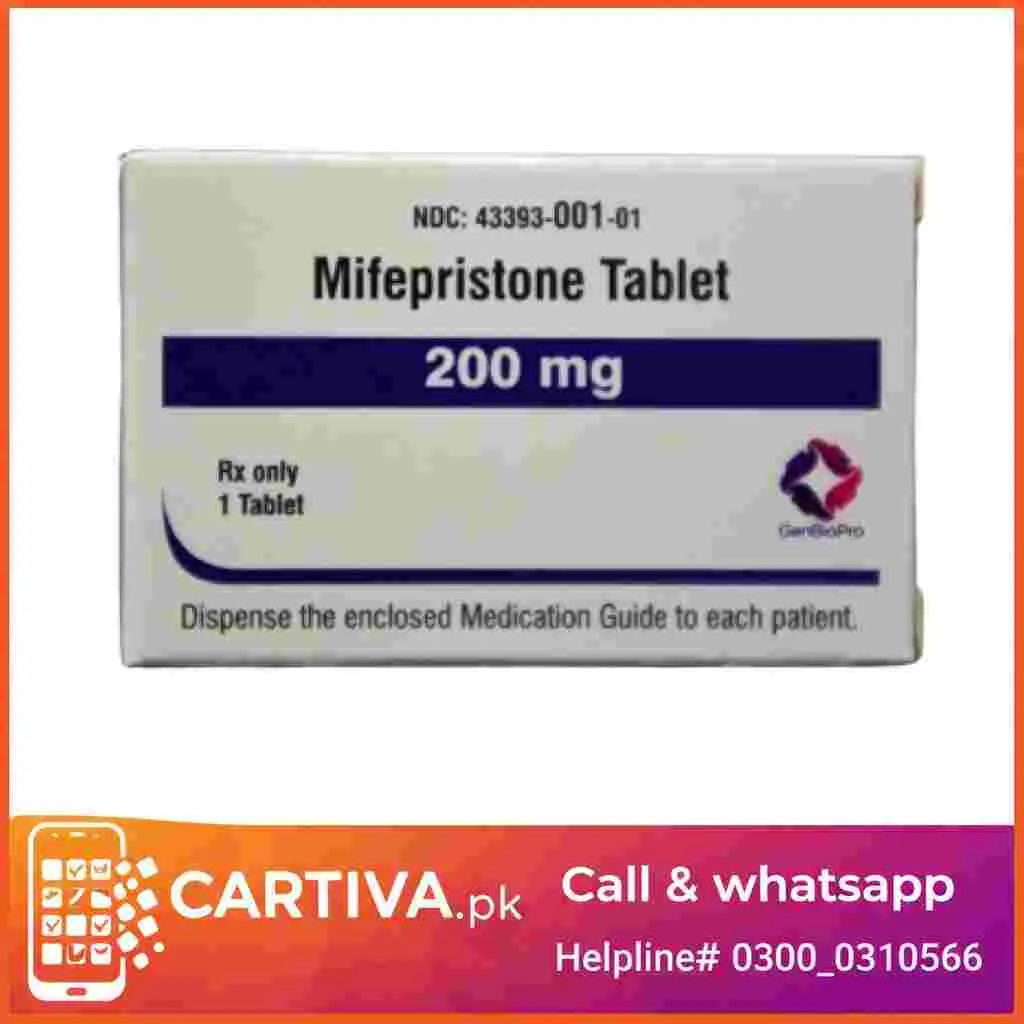
Reproductive healthcare is an essential aspect of women’s overall well-being. Medical advancements have made it possible to safely manage certain gynecological conditions and early pregnancy termination using prescribed medications rather than invasive procedures. Mifepristone tablets represent one of the most widely used and clinically studied medications for medical abortion and specific gynecological treatments.
Mifepristone is a progesterone receptor antagonist that blocks the hormone progesterone, which is necessary for maintaining pregnancy. By inhibiting progesterone activity, the medication causes the uterine lining to break down, leading to pregnancy termination when followed by Misoprostol.
The medication is typically prescribed for:
Early medical abortion
Management of missed miscarriage
Certain hormonal gynecological conditions (in specific cases)
It is considered effective during the early weeks of pregnancy when used according to clinical guidelines.
Mifepristone acts through several mechanisms:
Progesterone blockade – prevents pregnancy continuation
Cervical softening – prepares uterus for expulsion
Uterine sensitivity – enhances effect of Misoprostol
Endometrial breakdown – detaches pregnancy tissue
When combined with Misoprostol, the treatment achieves high effectiveness rates for early pregnancy termination.
Provides an alternative to surgical procedures during early pregnancy.
Medical abortion using Mifepristone and Misoprostol demonstrates high success rates when used appropriately.
The medication allows treatment in a controlled and private environment under medical supervision.
Many patients can complete treatment without surgical intervention.
The medication is also used in miscarriage management and other clinical scenarios.
Mifepristone may be prescribed for:
Early pregnancy termination within medically approved gestational limits
Missed or incomplete miscarriage management
Specific hormonal or gynecological treatments advised by a doctor
Only qualified healthcare professionals can determine suitability.
A typical regimen involves:
Mifepristone 200mg orally (single dose)
Followed by Misoprostol after 24–48 hours
Dosage and timing may vary depending on medical evaluation and gestational age. Self-medication without professional guidance is strongly discouraged.
Patients may experience:
Cramping and uterine contractions
Vaginal bleeding
Passage of pregnancy tissue
Mild fever or nausea
Bleeding is a normal part of the treatment process and may continue for several days.
24–48 hours → preparation phase after Mifepristone
1–2 days after Misoprostol → expulsion phase
1–2 weeks → gradual recovery and bleeding reduction
Follow-up consultation is usually recommended to confirm treatment completion.
Common side effects include:
Abdominal cramping
Heavy bleeding
Nausea or vomiting
Fatigue
Headache
Less common but serious symptoms require immediate medical attention, including excessive bleeding or signs of infection.
Must be used under medical supervision
Not recommended for ectopic pregnancy
Avoid if allergic to medication components
Seek immediate care for severe pain or prolonged bleeding
Follow doctor instructions strictly
Non-invasive approach
Greater privacy
Lower anesthesia risks
Accessible early treatment option
Cost-effective in many cases
Patients are advised to:
Rest during heavy bleeding phase
Maintain hydration and nutrition
Avoid strenuous activity initially
Attend follow-up examination
Use contraception as advised
Store below recommended temperature
Keep in original packaging
Protect from moisture and sunlight
Keep away from children
Access to reproductive medications may be regulated, and medical consultation is strongly recommended before obtaining or using Mifepristone. Healthcare providers can guide patients regarding safety, eligibility, and appropriate follow-up care.
Due to sensitivity and potential counterfeit risks, patients should obtain medication from licensed pharmacies or healthcare providers to ensure authenticity and proper medical guidance.
Mifepristone is an important medication in reproductive healthcare, offering a safe and effective option for early medical abortion and certain gynecological treatments when used under professional supervision. Understanding its mechanism, benefits, precautions, and follow-up requirements is essential for safe and successful outcomes.


















































Customers Reviews For Mifepristone Pills Price In Pakistan